北京 798 艺术区 见闻照片和路线
周一下午去北京798 转了转,拍了照片,北京的天气真好。

云蒙山长城遗址公园登山, Yunmeng Mountain Greatwall Hike
Located in Miyun County, about 90 KM from Beijing city center. Yunmeng Mountain Great wall Park (云蒙山长城遗址公园) offers tourists magnificent view of the Miyun reservoir, remains of the Great wall that was build in Qi dynasty, variety of vegetations and moderate difficult but well paved hiking trail.
The hike starts at the park entrance (250 meters above sea level). The paved trail winds through wooded hill and ancient rocks. From time to time, you get a clear view of the mountain and the villages below. There are several junctions which are all well marked.
After about 1 hour hike, you will reach the remain of a Ming Dynasty beacon. From this point, you will see the rolling hills, the Miyun reservoir and several lower beacon remains. The magnificent view from this point will make all the effort worth wile.
After resting and enjoying the view, you will follow the sign down the mountain. At one point, you will be able to actually get into one of the beacon and see what the ancient soldiers see. About 1 hour later, you will reach back to the parking lot.
How to get there:
By bus: From Dongzhimen (东直门)Bus station, take # 980 bus. Get off at Miyun bell tower (密云鼓楼) stop. From this point, you will take a taxi to the park entrance (cost about 40RMB) 云蒙山长城遗址公园. Please be sure to get the taxi driver’s cell phone number and call him when you get down. It is rather difficult to wait for the taxi at the park gate.
By car: Take Beijing Chende express way and exit $16. Go north to the Miyun County and follow the blown sign.
Entrance ticket: 25RMB
Other tips:
The peak season is from April 15- Nov. 30. Hardly anybody visit the park during winter except to photograph the great wall in the snow.
云蒙山长城遗址公园距北京市区90余公里,东沿密云水库,西临云蒙山脉。公园地处云蒙山东缘,山形韶秀天成,宛延起伏,构思精巧,群峰突起,常隐于云雾之中,素有”北国黄山”之美誉。
公园内现存长城遗迹中,部分地段属北齐时期修建;而大部分为明初所修。长城属纯石结构单边内长城,自东北伸向西南,恰似一条雄伟的石龙,腾浮于起伏的山巅之上。公园每年组织大型中秋赏月节、金秋栗子节、九九重阳登高节等各项活动,登高远眺,心旷神怡。东边密云水库全景尽收眼底,西望云蒙峡谷一览无遗。
交通信息
A公交车:从东直门坐980路公交车,密云鼓楼站下车,打车过去大约40元,最好要司机的电话,下山后让他来接。
B自驾车:
京承高速—#16号出口- 密溪路—北京云蒙山长城遗址公园,景区位置在密云县石城镇王庄村。
注意事项:营业时间4月15日—11月30日(公园电话:61025248),门票:25元.
Permalink Comments off
Overview:
Chaozhou (Chinese: 潮州) is a city in eastern Guangdong province of the People’s Republic of China. It borders Shantou to the south, Jieyang to the southwest, Meizhou to the northwest, the province of Fujian to the east, and the South China Sea to the southeast.
Chaozhou is a famous historical and cultural city in China. The following is the guide for it’s “old city tour”. You can hire a human powered tricycle, rent a bike or simply walk the route to enjoy many historical relics and unique culture of Chaozhou. The “old city” is well preserved. Many local people still live in those century old houses along the narrow alleyways.
The tour is about 1-2 hours. It starts in the Kaiyuan Temple (開元寺) and ends in the same spot. You may wish to visit the Kaiyuan temple last.
This “Chaozhou old city tour” is a must do for anyone visiting Chaozhou. You will enjoy the culture and the architecture that are unique to Chaozhou. If you have not been to Chaozhou, you have not been to Guangdong. If you have not toured the “Chaozhou old city”, you have not been to Chaozhou. Enjoy!
Stop 1: The first stop is the Ming city wall (明城墻) which was first built in Ming dynasty and was rebuilt in the 1990s. There is a section of the old Ming wall remain. You can compare it to the newly build wall. You shall walk up the wall in Guangji Men (广济门城楼). From the top of the wall, you will get a good view of the Guangji Bridge (廣濟橋) and the Mazhu temple (妈祖庙). You can also see the Han River which was named after the great Chinese poet lived in the Tang dynasty. The Guangji Bridge connects the Ming city wall with the Hangong Shire. Here are a few interesting points you shall not miss:
1. The Ming city wall (明城墻), 2.6 kilometers long and was rebuilt in the 1990s.
2. The Mazhu temple (妈祖庙), built inside the Ming wall to worship goddess Mazhu who is believed to live in Chaoshan region. She was believed to performed many good deeds for the locals. She is worshipped as a goddess after her death in southeast China and for Chinese resides in the Southeast Asian countries.
3. Guangzi Bridge (廣濟橋), built in the Southern Song Dynasty (1170 A.D.) was reconstructed in the 1990s.
4. Hangong Ci(韩公祠) is located along Hangjiang river and west of Bijia mountain. It is on the other side of the Han river. This shrine had been constructed since Song Dynasty and become the oldest existing and the most completed reservation memorial of Han Yu, who is the great poet in Tang Dynasty.
In the year of A.D.819, for some political reason, Han Yu was exiled to Chaozhou, a backland at that time. But he was not depressed by this, he helped local people to develop education, agriculture, irrigation and release slaves. To memorize what he had contributed to the development of Chaozhou, people constructed this shrine and name him “Hanwengong” respectfully.
Stop 2: After an easy stroll on the Ming city wall, you can follow the trail through the old alleyways of the “old Chaozhou city”. The next stop is: Haiyang County Confusion Temple (海阳县儒学宫) or Chaozhou Museum and Changli Old Arch (昌黎旧治坊). You shall not cross the Han river via Guangzi Bridge as the entrance fee is for oneway trip only (you can argue with the ticket conducters, but the results depend). Since the Hangong Ci is on the other side of the Han river, you can only see it from the distance or visit it in the other time.
1. Haiyang County Confusion Temple (海阳县儒学宫) was built in the Song Dynasty (1278AD) and was destroyed in a fire. It was rebuilt in the Ming Dynasty (1369AD). Its architecture is heavily influenced by the east Guangdong style with intricate and colorful carvings decorating the ceiling joints. The Chaozhou Museum is located inside the temple.
2. Changli Old Arch(昌黎旧治坊) is located just opposite the gate of the Haiyang County Confusion Temple. This arch was built in Ming Dynasty. There are carvings both in the front and at the back. Changli is the other name for Hangyu. This arch is built in memory of the Tang dynasty poet Hangyu.
You may choose to rest and chipping the Gongfu tea in many stores in front of the Haiyang County Confusion Temple. There is no obligation to buy. If you wish to purchase, please be sure to bargain.
Stop 3: The next stop is Huang Jilue Temple (己略黃公祠)
Huang Jilue Temple (己略黃公祠) is famous for its intricate wood and stone carvings. It was built in Qing dynasty as a resident for a local rich. It is a great example of the architecture style of the east Guangdong.
Stop 4 (last stop): Back to the beginning is the Kaiyuan Temple (開元寺).
Kaiyuan Temple (開元寺) is a Buddhist center embodied with the quintessence of the architectural art of various dynasties such as Tang, Song, Yuan and Qing. This temple is over 200 years old. The temple is also home to the most influential Buddhism Study Institute in Southeast China. Inside, handsome calligraphy and inscribed steles remind visitors that this temple once functioned as the record keeper of the city.
Still want to see more? There is another place along the way that is worth visiting: Xu, Imperial Son-in-law, Mansion (許駙馬府). I will leave that to you to find out the exact location. Hope this will give you a bit more adventure in this trip.
Xu, Imperial Son-in-law, Mansion (許駙馬府), which retains the basic pattern of the architecture of the Song Dynasty.
Important Tips:
1: Please note: you shall not cross the Han river via Guangzi Bridge as the entrance fee is for one way trip only (you can argue with the ticket conductors, but the results depend). Since the Hangong Ci is on the other side of the Han river, you can see it from the distance or visit it in another time.
2: You may choose to rest and chip the Gongfu tea (which is famous in Chaozhou) in many stores in front of the Haiyang County Confusion Temple. There is no obligation to buy. If you wish to purchase, please be sure to bargain.
How to get there:
By Air: Chaozhou has no airport. The closest airport is located in Shantou which is only 30km to Chaozhou city. Every 10 minutes, Shantou bus station has an express bus to Chaozhou.
By train: Guangzhou has 3 trains every day that connect to Chaozhou
By bus: This is actually the preferred way to go to Chaozhou. It is very easy to find buses that connect Chaozhou from Shenzhen, Guangzhou, Xiamen and many other cities.
By boat: Chaozhou is connected to Hongkong and Xiamen by boat.
Travel in the city:
Taxi: Chaozhou old town is very small. The Chaozhou railway station is not far from the Kaiyuan temple. The taxis are metered.
Bus: The public bus system is well developed. However, the signs are in Chinese which is rather difficult to navigate for English speakers.
By tricycle: this human powered tricycle is another way to enjoy the city. The drivers will usually tell to you the “secret stories” of the Chaozhou. The “old city tricycle tour” costs 30RMB for 1.5 hour round trip that starts and ends in Kaiyuan temple.
By bike: Bikes can be rent in many small shops.
for the interactive guide, please visit my Chaozhou English guide

潮州凤凰山,广东省潮州市一处独特的旅游景观,位于潮州市北30多公里处,境内群峰竞秀,万壑争流。主要凤凰髻海拔1497米,是粤东第一高峰。它以峭拔雄伟的山色,绚烂多采的畲寨风情和奇香卓绝的凤凰茶传名于世。凤凰山是畲族发源地,以龙犬为图腾,有许多美丽的民间传说。凤凰山的石鼓坪村是畲族的聚居地。
山顶上有个天池,就是大家要去的地方。上山有两条路,新路和老路。一般自驾的游客是开车到凤凰山镇,然后找乃兴公司的上山旅游小巴上山,他们垄断了新路,不允许自驾车上,(有路卡,白天还有当地人值班,总之要赚到这个钱)价格据说是200元一车,不管过少人都是这个价,或者来回55元/等人坐满。
另外一条老路,是自驾上山唯一可以选的道路,以前开摩托车或者徒步的都是走的这个线路。徒步的话,要4-5个小时才能到顶。现在一般开车的人都不从这里上来了。(原因上面有说)
当然还有一种可能就是坐乃兴公司的下巴上,然后徒步走老路下。这样可以慢慢看风景,也没必要那么赶。
我从潮州出来,开车到凤凰镇已经晚上6点,在一个路边的大排档吃完饭,我问老板娘,如何去凤凰山,以及山上有没有住宿,老板娘很热情,找了她的一个亲戚的小孩,开摩托车带我到老路的入口,然后告诉我山上有住宿的地方。这时开始下雨,我就在这雨天开始上山的路。
道路远比我想象的长,大约有20多公里,加上晚上没有路灯,看不清路,也看不清有多高,多远,下着雨,道路很滑,我慢慢地开,好几个岔路口,我问了当地的老乡,他们都很热情,告诉我上山的路。就是这样,我还是开错了路,快到山顶的时候,我发现柏油路没有了,只有泥路,而且越来越窄,几乎无法通过,我只好掉头回来,碰巧遇到路边有几个自驾游的朋友,他们说开过了,并说一定要在乌岽那个标识转弯,然后的道路只能一辆车通过,这个乌岽岔路口是第一个可能问题的岔路口。
按照他们的指点,我回到上山的路上,又开了20分钟,发现一个栅栏,上了锁,那就是乃兴公司车辆白天上山的那条道和这条老路交界的地方,旁边有条泥路,这个岔路口第二个可能出现问题的岔路口。我沿着泥路,开了500米,3分钟,就到了一栋房子,上面写着天池招待所,进去一问,服务人员爱理不理,说250元/房间,条件我看了一下,大约和80年代初的招待所差不多,也就是非常差,所以我决定继续上山,但很快发现这是一个冒险的决定。已经没有更高的招待所了。沿路有一些老乡家里可以住宿,但是都在天池招待所下面,继续往上走,道路全部是泥,而且没有住宿了。
天很黑,下着大雨,道路是泥泞的,好在还有手机信号,我利用谷歌的卫星地图在iphone上来导航(谷歌的道路地图没有用了,上面显示没有道路了,但是卫星图上可以看到有一条路),天池就在旁边,卫星图显示不远处有一个岔路,我想也许到那里就能找到老乡家住宿了。(后来听人说那条路不通),一会儿,道路越来越窄,泥泞的很,外面漆黑一片,空无一人,只有车灯照在一片茫茫的雨雾中。我这一辆车,如果现在陷在泥里,只有在原地等待第二天来救援了。手机快没电了,而且信号很弱,我的心情也越来越紧张。
天无绝人之路。不多久,运气来了,我看到庞边有一栋房子,本来我已经开过去了,不过还是决定掉头回来,发现有个人在三楼的窗口看我,我高声地问他有没房间,他说有,并说300元。我想都没想,马上同意,上去一看,发现条件比下面的天池招待所好很多,大约有2星的标准,其实这里是天池茶业的工厂,他们的工厂和员工宿舍在一楼和二楼,在三楼开出几间房间,主要用来给来这里买茶的老板们住,没人的时候也租给游客。
找到这个住宿,就算安定下来了,我悬着的心可算放下来了,虽然晚上多次停电,(他们是柴油机发电)但是睡在这床上,头上有屋顶,还是远比在漆黑的夜里,睡在车里好很多。
早上起来,还和他们的工人一起吃了早点,这次冒险还算成功,当然自我感觉不错。
网上其他人写的攻略,我以自己的经历改动了一下放在这里:
旅游路线:
1:到凤凰镇:潮州汽车总站坐专线车上凤凰山镇。每天一共有4班,每隔三个小时一班,具体时间是:上午7:30,10:30,13:30,16:30,票价8元(这是老票价),时间大约也是一个小时。路比较平坦。
庵埠车站每天也有四班车到凤凰山,具体时间不详。
打的就比较贵,单程50-60元。
自驾车的朋友可以在潮州高速路口下以后往潮州市区方向开到韩山师范学院右转到沿韩山师院大门(韩文公词)那条路前走,大概几百米后往左拐向意溪方向一直走就有路标了。
2:上凤凰山:
到凤凰镇后问一下当地人,找乃兴公司坐上山的旅游车,单程是20元,来回35元(现在据说已经来回55元了)。时间不固定,坐满就走,他们的车上山也要1小时左右。自驾车不准上山。也可以走路上去,要4个小时。还可以打当地人的摩的上去,再有就是先联系好山上的老乡,住他们家,让他们下山来接你。
住宿:
到天池宾馆停车场后往天池方向走一段路,有一条小路往左边走可以到农家住宿。天池宾馆也有住的,但是环境较差,价格昂贵,我建议还是住农家或者就是“天池茶业”的厂房,价格最贵,但是条件也最好。他们不一定有房间,要先电话:
农家住宿地址:凤凰山天池旅游区附近有一些农家可以住宿,桂竹湖2号,柯礼群。是一家茶农,二楼有住宿,大概价钱从单间60元-80元。周末和节假日最好预定。还比较卫生干净。
帐篷:天池附近有大片空地,可以露营(有招牌说不能露营,但是没有人管),天气好的时候,可以看日出和日落,非常壮观。下雨的话就很不舒服了。
深圳塘朗山郊野公园位于南山区的东北部。塘朗山西端止于红花岭,东边绵延到福田区境内,北望西丽水库、长岭皮水库、羊台山、深圳野生动物园。塘朗山郊野公园以它幽静、深邃、雄伟的生态园林本色吸引着众多登山爱好者登高远眺、投身大自然。
塘朗山主峰海拔430.8米,高于海拔336米的大南山,低于平均海拔为780米的梧桐山三大主峰。塘朗山郊野公园是以自然山水为骨架,以山水林泉和动植物形成的自然景观和自然生态环境为特色,让游人在登高揽胜的闲情逸趣中,了解自然,享受自然。现在有越来越多的游人或零零散散、或组团结伴到塘朗山爬山赏景,塘朗山郊野公园已成为深圳人休闲、健身、观景的好去处。
塘朗山郊野公园登山路有盘山公路和登山道两种方式可供选择。路的中间有两个交汇点,在那可以做路线的切换。
塘朗山郊野公园盘山公路是通往塘朗山主峰的主要干道,平坦宽阔、蜿蜒曲折。沿路鸟语花香,空气清新,视野随前行而渐趋开阔,行走4.25公里就可到达山顶。
大多数年轻人会选择沿着登山小道上山。小道也有数条,有的树根盘绕,杂草丛生;有的石阶林立,曲径幽深。小道的好处就在于近,虽然少了欣赏沿途山外景致的雅兴,但伴着虫鸣鸟语,只需不到一半盘山道的路程,就能到达山顶了。
在塘朗山半山腰可以看到深圳与香港交界的深圳河,可以看到南山区、福田区的全貎,可以感受到深圳极为“扁长”的地形。登上塘朗山顶更可观赏到深圳特区内外,山、城、海相依相融的景观,东看梧桐山、鸡公山等连绵起伏的山脉,远处蔚蓝的大海一望无垠,近处罗湖、福田、南山三区尽收眼底,西北观望,可见珠江口海域、大小铲岛、新安、西乡、福永、宝安机场、羊台山、西丽水库、铁岗水库等。在塘朗山山顶一大石头上赫然写着:“登山治百病,百病怕登山”。难怪不少住在塘朗山山脚的居民都已养成每天登临的习惯。
塘朗山公园交通指南:
自驾游过来的驴友,可以由东向西走“北环大道”,过了安托山转上“龙珠大道”,在名为“皇庭香格里”建筑前的红绿灯右转直上即可。车可停在路旁步行上山。
坐公交巴士的驴友可选择在“桃源村”站下车后,顺着龙珠六路一直北上,就可到达塘朗山公园的龙珠门了。
Permalink Comments off
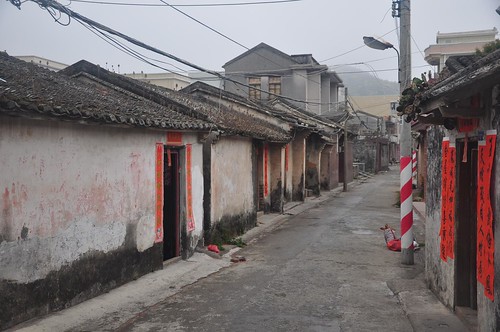
平海古城
平海古城被誉为岭南文化的一块“活化石”。建于明洪武18年(公元1385年),距今已有600多年的历史。现在是惠东县一个建制镇。
我们从双月湾出来以后,按照GPS指引的道路寻找平海古城。GPS指示已经到了古城,但是我们确看不到,问了路,发现当地人都不知道有平海古城,后来有一个人说前面有个镇上有个古城门,叫北门,我们大喜,顺着他指出的方向来到一个镇上。在这里问了人,才知道这就是平海古城。
进入古城一看,才发现其实古城已经和现代城市融为一体,只是较完整地保留着四座城门楼、分别是东西南北四个城门,部分城墙、完整的十字古街、一部分古民居以及一批古寺庙、古文化遗址和大量的历史文物。
这时天空开始下雨,淅淅沥沥的雨水沿着低矮的屋檐留下来,我们在屋檐下走着,看到很窄的道路上反映着古名居的倒影。路上没有行人,没有任何游人的喧嚣,别有一番风味。
游完古城,我们开车上路,2小时以后到达深圳。
平海古城回深圳路线
Permalink Comments off
双月湾位于广东惠州的惠东平海镇。双月湾共分两湾,左湾水平如镜,右湾波涛汹涌。沙滩连绵20公里,。沙滩宽约200米。海水清澈见底,从高处俯瞰,两个海湾都如一弯明月,由此得名。
这里不是著名的风景区,所以人工开发的痕迹很少,有一个不太高的山。这个周末我和几个朋友去双月湾旅游,主要是徒步和寻找古镇。
我们是周六下午才从深圳出发的,开车一个多小时就到了双月湾,这时已经夕阳西下,我们在海滩上走了走,这里的沙子很细,沙滩绵延,望不到边,如果有越野车,可以冒险在上面开。入夜,海滩上有不少人在放烟花。我们选择了离开海滩的一个招待所入住,这里看不到海,但是也比海边的招待所便宜很多,单人间只要80元,大约1.5星的标准。
第二天一大早,我们在招待所附近吃过早点,开始徒步,沿着上山的小径,一路上看到不少当地人的坟地,还有政府的告示,说建立的坟地,必须向政府报告,如果不报告被视为无主坟,后果自负等等。从坟地的建筑风格来看,很多都是很新的坟,最多几十年而已。
上山的小路走了一会儿,就连到大路上了,这是一条可以开车上山的盘山路,可以直达山顶,在山顶可以俯瞰整个双月湾,那里是拍摄全城景观的地方,途中有一个果园,我们去的时候大门紧闭,据说那里是拍摄海景的好地方。沿着盘山公路,可以走到德玄古庙,这里没有人看管,说是古庙,但看上去比较新,也许是最近重新修复的。
盘山路走了一会儿,我们看到有一处平台,可以看到大海和不远处的海龟保护区,昨天晚上吃饭的时候老板说从山上下去可以省掉海龟保护区的每人35元的门票,从山上看下去,隐隐约约可以看到好几条人走出来的路,所以我们决定沿着这些小路下山,路不太好走,很多砂石,很滑,我们翻过一个沟豁,下到大路上,这里走不多远就是海龟保护区。
著名的海龟保护区其实没有任何东西可以看,据说海龟只有晚上才到沙滩上产卵,但是白天不大的海滩上,游人如织,纷纷在海边拍照,我看晚上也不可能有什么海龟上来,不大的海滩,什么也没有,还要收30元门票,所以完全不值得一看。
我们沿着海龟保护区的海滩走下去,走到双月湾的最西南面的靠海处,发现路边有一个 标志,上写大星山炮台遗址,我们顺着道路爬上炮台,这里是18世纪清朝时期的一个古炮台,曾经住扎超过100的守军,现在人去楼空,到处断垣残壁,只有几处三角形的炮口还让人想到当年这里是一个炮台,由于依山傍海而且地势很高里可以看到两边的景色,一面是海龟保护区的沙滩,另一面是一片新兴的海港和工业区,海面上还有很多渔船。
从这里下来,我们沿着一条土路回到海龟保护区的停车场,从那里沿着大路走下山回到镇上。
中午我们在一家海鲜餐厅吃饭,都是当地渔民从海里打上来的新鲜海鲜,让我想到昨夜渔业交易市场熙熙攘攘的渔民,正在处理和交易新打上来的海鲜。老板做的海鲜味道非常鲜美,不过我看当地人的收入不高,很少有人来这里消费,主要是给游客的,从车牌上看,主要是深圳来的粤B的车牌。
镇上有很多摩托车,提供拉客的服务,其实双月湾不大,不过我上面说的这些景区,最没意思的就是那个35元门票的海龟保护区,不过那就是旅游大巴唯一会拉游人来的景区。这时候就会感谢自由行的好处了。
在双月湾徒步以后,我们开车去寻找平海古城。
Permalink Comments off
????????????METAGPS: Compact Geotagging Unit for Nikon DSLR Cameras ?????????
1?MetaGPS M2??????????
2?MetaGPS M2?Nikon D90?????????
??iphone4?GPS??????????
Permalink Comments off
????????????METAGPS: Compact Geotagging Unit for Nikon DSLR Cameras ?????????
1?MetaGPS M2??????????
2?MetaGPS M2?Nikon D90?????????
??iphone4?GPS??????????
Permalink Comments off
« 上一页 — « Previous entries « 上一页 · 下一页 » Next entries » — 下一页 »